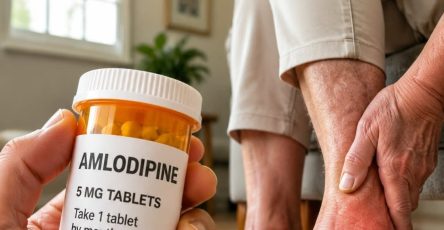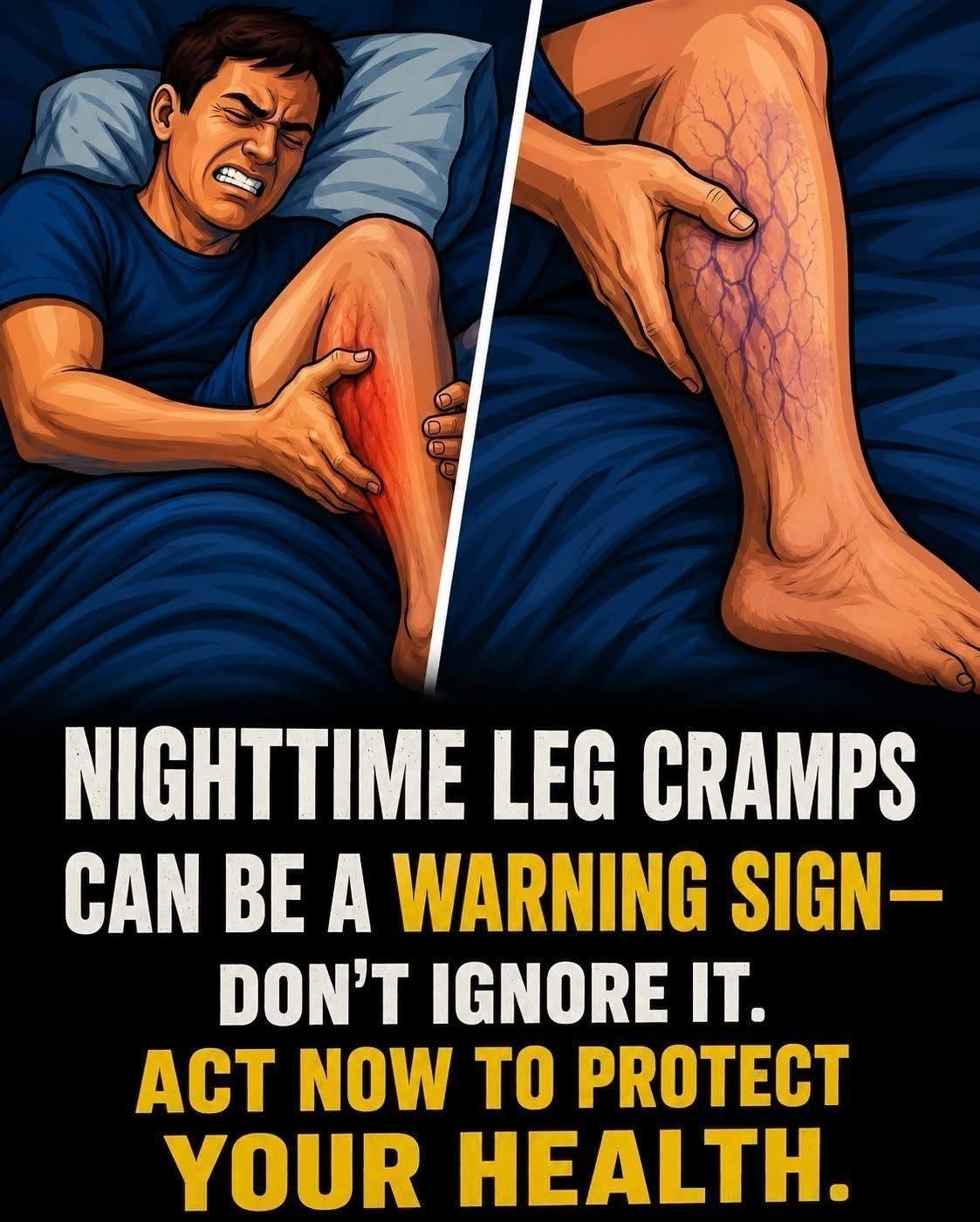
the risk of frequent nighttime cramps. In these cases, treating the underlying condition often helps reduce muscle spasms.
Age is another important factor. Older adults experience leg cramps more often because muscle mass naturally declines over time, while tendons become less flexible. Staying physically active and maintaining adequate hydration can help reduce the frequency of cramps as people age.
Fortunately, several simple habits may help prevent nighttime leg cramps. Gentle stretching before bedtime is one of the most effective methods. Stretching the calf and hamstring muscles for several minutes each evening may significantly reduce episodes in many people. Drinking enough water throughout the day and eating a balanced diet rich in potassium, magnesium, and calcium can also support healthy muscle function.
Regular physical activity is beneficial, but it is equally important to avoid sudden increases in exercise intensity. Warming up before workouts and cooling down afterward help prepare muscles for